



















Complete Guide to API Monitoring
APIs are the invisible engine behind every modern application. Payment gateways, authentication systems, data feeds, third-party integrations — all of it runs on APIs. When one breaks, users notice immediately. Revenue drops, trust erodes, and your team scrambles to react. API monitoring is the practice of continuously watching your endpoints so you catch problems before your users do. This guide covers everything you need to know.
WHAT IS API MONITORING?
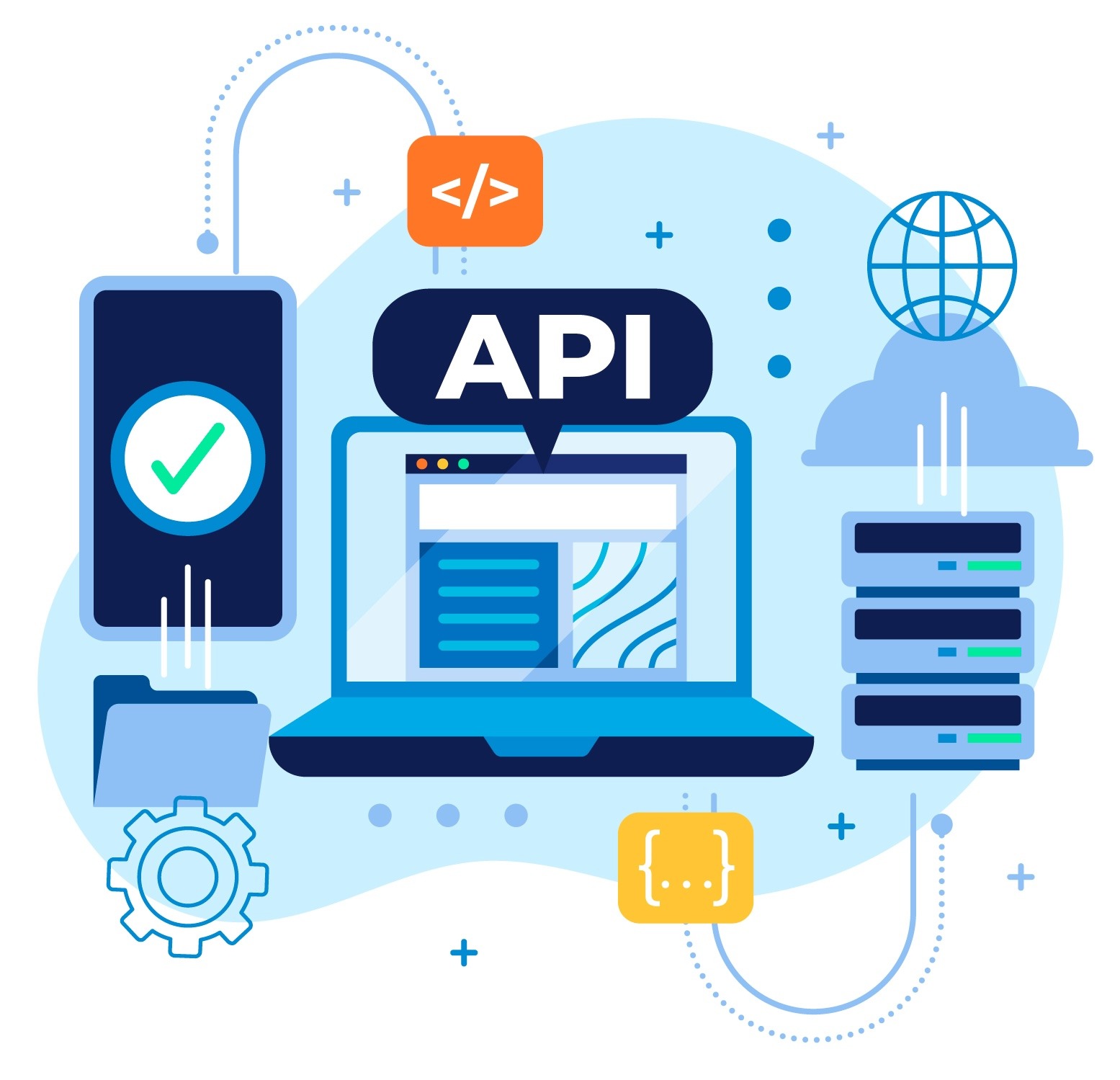
API monitoring is the automated, round-the-clock process of testing your API endpoints for availability, speed, and correct behavior. It goes far beyond a simple ping. A robust monitoring setup checks:
- Uptime: Is the endpoint reachable at all?
- Response Time: Is it fast enough to be usable?
- Status Codes: Is it returning 200 OK or silently throwing 500 errors?
- SSL Certificates: Is the certificate valid and not about to expire?
- Domain Expiry: Is the domain registration current?
- Response Content: Is the API returning the data you actually expect?
HOW VEYON MAKES API MONITORING SIMPLE
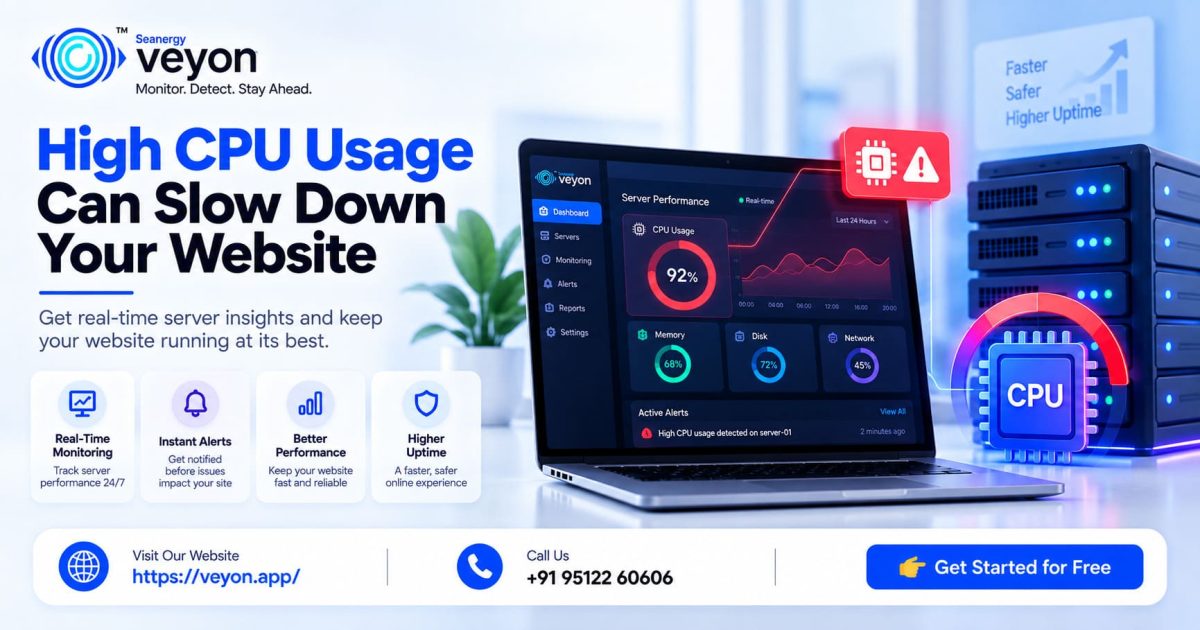
Veyon is an all-in-one monitoring platform covering websites, servers, resources, networks, domains, SSLs, and APIs — with real-time alerts and a full REST API. Getting started takes under 60 seconds with no credit card required.
To add a monitor, you simply provide a name, your API endpoint URL, and a check interval. Veyon then checks your endpoint from various global monitoring nodes, giving you a true picture of worldwide availability rather than a single-location snapshot that could miss regional outages.
- ALERTS AND INCIDENT MANAGEMENT
When something goes wrong, Veyon immediately dispatches alerts across every major platform: Email, Webhook, Slack, Microsoft Teams, Discord, Telegram, Flock, and SMS. Each incident is recorded with a full timeline — when it started, when alerts were sent, when it was acknowledged, and when it was resolved. This data is exportable as CSV for compliance and post-mortem reviews.
- STATUS PAGES
Veyon includes fully customizable public status pages on every plan. Connect your own domain, apply custom CSS, and add JavaScript for extended functionality. Status pages build trust with users and enterprise clients by showing real-time uptime, historical availability percentages, and incident history — all in one transparent, branded view.
Conclusion
API monitoring is not something you set up after problems occur — it is the foundation you build before they do. Every minute an API is down without your knowledge is a minute your users are experiencing failure, your revenue is at risk, and your reputation is taking a hit.
The good news is that getting started has never been easier. Veyon gives you global monitoring nodes, instant multi-channel alerts, public status pages, and a full REST API. Whether you are a solo developer protecting a side project or a growing team managing multiple production services, Veyon scales with you.
The question is not whether your APIs will ever have issues — they will. The question is whether you will know about it first. Start monitoring at veyon.app and make sure the answer is always yes.
Tags: #ServerMonitoring #InfrastructureMonitoring #NetworkMonitoring #UptimeMonitoring #CyberSecurity #TechOperations #DataCenter #ITInfrastructure #DevOps #CloudMonitoring #RealtimeAnalytics #SystemMonitoring #DigitalInfrastructure #ServerRoom #TechDashboard #AIAnalytics #EnterpriseTech #MonitoringSystem #SaaSPlatform #Uptime #SSL #API #APIMonitoring